A New Method Produces CAR-T Cells to Keep Fighting Disease Longer
PR Newswire
BRONX, N.Y., March 13, 2026
Strategy May Bolster Blood Cancer Therapy and Move HIV Research Closer to a Cure
BRONX, N.Y., March 13, 2026 /PRNewswire/ -- A research team led by Albert Einstein College of Medicine scientists has developed a new strategy to engineer immune cells that dramatically prolongs their effectiveness after being infused into patients to fight cancer and HIV, addressing a major limitation of current treatments. Their findings, published today in Science Advances, describe a manufacturing approach that, compared to the existing process, generates longer-lasting immune cells that provide more sustained control of human blood cancers and suppression of HIV-infection in mouse models.
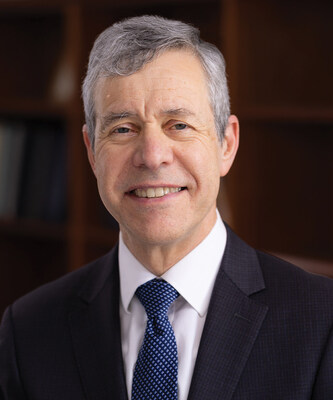
"Our goal was to engineer therapeutic immune cells so they would not only be powerful killers but also long-lived and capable of self-renewal, to markedly extend their effectiveness after infusion into patients," said senior author Harris Goldstein, M.D., professor of pediatrics and of microbiology & immunology and director of the Einstein-Rockefeller-CUNY-Mount Sinai Center for AIDS Research. "By improving how we generate CAR-T cells, a treatment that acts as a 'living drug,' we would prolong their functional activity and prevent disease relapse after their potency wanes." Dr. Goldstein also holds the Charles Michael Chair in Autoimmune Diseases at Einstein.
The CAR-T Durability Challenge
To turbocharge disease-specific immune responses in patients, CAR-T cells are produced by removing a person's immune T cells and inserting genes that reprogram them to act as guided missiles to recognize and selectively eliminate cancer cells or virus-infected cells. After being generated in the laboratory, the engineered CAR-T cells are infused back into patients, where they seek out and eliminate the targeted malignant or infected cells. However, the long-term efficacy of this therapy has been limited by a major obstacle. Although CAR-T therapy can initially produce dramatic remissions, its killing ability often diminishes over time. In roughly half of treated cancer patients, as the activity of the CAR-T cells dwindles, the cancer returns.
The same persistence problem has constrained efforts to extend CAR-T therapy to treat people living with HIV. Current antiretroviral drugs (ART) can suppress HIV production to undetectable levels but cannot eliminate immune cells already infected with HIV. If this treatment is stopped, the virus hidden inside immune cells in long-lived, dormant HIV reservoirs reawakens to restore widespread infection. As a result, people living with HIV must take ART for life, which can lead to metabolic, neurological, cardiovascular, and other side effects.
Needed: A New Way to Make Immune Cells
To achieve a functional cure for cancer and HIV using CAR-T cells, the engineered cells would need to patrol the body for years, continually hunting down and eliminating residual malignant or infected cells, a level of long-term functional persistence not yet achievable using current manufacturing methods. To overcome this drawback, Dr. Goldstein and colleagues, most notably Erin Cole, M.S., a graduate student in his laboratory and first author of the study, developed an alternative approach for producing CAR-T cells using a specially engineered fusion protein called HCW9206. HCW9206 is created by using a protein scaffold developed by HCW Biologics to link three naturally occurring cytokines (immune cell signaling proteins)—IL-7, IL-15, and IL-21—which are known to promote T cell survival and immune memory. When the team used this multi-cytokine fusion protein HCW9206 to generate CAR-T cells instead of the standard activation protocol, the results were striking.
The multi-cytokine scaffold-produced CAR-T cells retained strong disease-fighting abilities. Most importantly, more than half of these CAR-T cells belong to a rare population known as T memory stem cells, long-lived cells that are capable of self-renewal and of generating fresh waves of highly active immune fighters over time. By contrast, less than 5% of CAR-T cells produced using the conventional method displayed this long-lived, stem cell-like profile.
"T memory stem cells are considered to be critical for long-term immune persistence," said Dr. Goldstein. "They can continually replenish the pool of active CAR-T cells, a crucially important attribute for their long-term success in combating both cancer and HIV infection."
A More Persistent Response
In a mouse model of human leukemia, both conventional and multi-cytokine scaffold-generated CAR-T cells eliminated human cancer cells after the initial treatment. But a few weeks later, when the researchers simulated cancer relapse by re-infusing these leukemia cells into the mice, only the multi-cytokine scaffold-engineered CAR-T cells mounted a strong "recall" response, expanding in number again and preventing tumor recurrence.
In a humanized mouse model of HIV infection, the multi-cytokine scaffold-generated CAR-T cells exhibited enhanced antiviral potency by eliminating significantly more HIV-infected cells than conventionally manufactured CAR-T cells. In addition, CAR-T cells generated from patients living with HIV using the new multi-cytokine scaffold production technique successfully eradicated HIV-infected cells.
The findings from this research could have important implications across the CAR-T cell field. "Now that we have shown that we can generate potent CAR-T cells that are longer-lived, we may be able to reduce blood cancer relapse rates and improve long-term remission for cancer patients," Dr. Goldstein said. "For HIV, immune cells with this kind of staying power may one day help maintain viral control after stopping antiretroviral therapy, a critical step toward sustained drug-free remission and, potentially, a functional cure."
Additional Einstein authors include Sara Lamcaj, Ph.D., Agnes Sydenstricker, B.S., Adilyn Voss, B.S., Christopher Hiner, Ph.D., and Jian Hua Zheng, B.S. Additional authors are: Hong Hur, M.S., and Manoj Kandpal, Ph.D., at The Rockefeller University, New York, NY; Natalia Valderrama Pena, B.S., Niraj Shrestha, Ph.D., and Hing Wong, Ph.D., at HCW Biologics, Inc, Miramar, FL; Ying Xiong, Ph.D., Zhongyu Zhu, Ph.D., and Boro Dropulić, Ph.D., at Caring Cross, Gaithersburg, MD; and Cheng Cheng Zhang, Ph.D., at University of Texas Southwestern Medical Center, Dallas, TX.
The title of the paper is "IL-7/IL-15/IL-21 cytokine-fusion scaffold generates highly functional CAR-T cells enriched in long-lived T memory stem cells." Funding sources include the National Institutes of Health: R01AI172607, R01AI174275, P30 AI124414, T32AI007501, R01CA263079, UL1TR001866.
About Albert Einstein College of Medicine
Albert Einstein College of Medicine is one of the nation's premier academic centers for basic science research, clinical investigation, and biomedical education. Located in the Bronx, Einstein is home to nearly 1,000 M.D., Ph.D., and M.D./Ph.D. students and more than 2,000 full-time faculty members. Einstein receives approximately $200M in funding from the National Institutes of Health (NIH) each year and houses six NIH-funded research centers, in cancer, intellectual and developmental disabilities, clinical and translational research, AIDS, and two in diabetes. In partnership with Montefiore Health System, Einstein advances clinical and translational research to accelerate the pace at which new discoveries become the treatments that benefit patients. For more information, please visit einsteinmed.edu, and follow us on Instagram, LinkedIn, Twitter, Facebook, and view us on YouTube.

 View original content to download multimedia:https://www.prnewswire.com/news-releases/a-new-method-produces-car-t-cells-to-keep-fighting-disease-longer-302713629.html
SOURCE Albert Einstein College of Medicine