
Florida Panhandle Homeowners Learn Essential Tasks for Healthy Spring Growth
Graceville, United States - February 18, 2026 / Countryside Lawn Care /
The transition from dormancy to active spring growth presents Florida Panhandle homeowners with a critical window for lawn preparation. Countryside Lawn Care addresses common questions about timing, technique, and essential maintenance tasks that position turf for healthy seasonal performance. The guidance reflects conditions specific to Graceville, Marianna, Dothan, and surrounding communities where grass varieties like Bermuda, St. Augustine, and Zoysia respond differently to temperature changes and soil conditions. Detailed spring lawn preparation strategies cover damage assessment, debris removal, mowing timing, and soil care practices that prevent common problems before they develop.
Why Spring Preparation Matters in This Region
Many homeowners assume mild conditions in the Florida Panhandle and southeast Alabama mean lawns require less seasonal attention than northern climates. This misunderstanding often leads to missed opportunities during the crucial weeks when grass transitions from dormancy to active growth. Winter debris accumulation, soil compaction from wet conditions, and premature mowing can stress turf just as it begins producing new growth.
Pine needle buildup creates acidic mats that suffocate grass in areas like Bonifay and Enterprise. Compacted soil from foot traffic during wet months restricts root development and water infiltration. Early fertilization pushes tender top growth before root systems are ready to support it, making grass vulnerable to temperature swings that still occur through March. These issues compound when homeowners delay spring tasks, assuming warmer weather will solve problems naturally.
The region's variable spring weather patterns make timing particularly important. Soil may dry out slowly after February rains, tempting homeowners to mow before conditions are appropriate. Scalping dormant or newly emerging grass invites weed establishment in bare spots that could have been prevented with proper timing and technique.
Services That Support Spring Lawn Health
Spring cleanup services address debris accumulation and organic matter buildup that prevents air, water, and nutrients from reaching soil and root zones. Removing sticks, branches, pine needles, and leaf litter creates the foundation for healthy spring growth. Light dethatching removes matted grass that developed over dormant months.
Mowing and edging services apply proper timing and technique when grass reaches appropriate height and soil conditions support equipment use. Regular maintenance through the growing season maintains turf health established during spring preparation. Edging defines boundaries along walkways, driveways, and beds while identifying erosion or settling that occurred during dormant months.
Sod installation addresses bare or thin areas where grass struggled through previous seasons. Spring offers optimal conditions for establishment, with moderate temperatures and adequate rainfall supporting root development through the entire growing season. Bed maintenance prepares landscape areas surrounding turf, ensuring cohesive property appearance as growth accelerates.
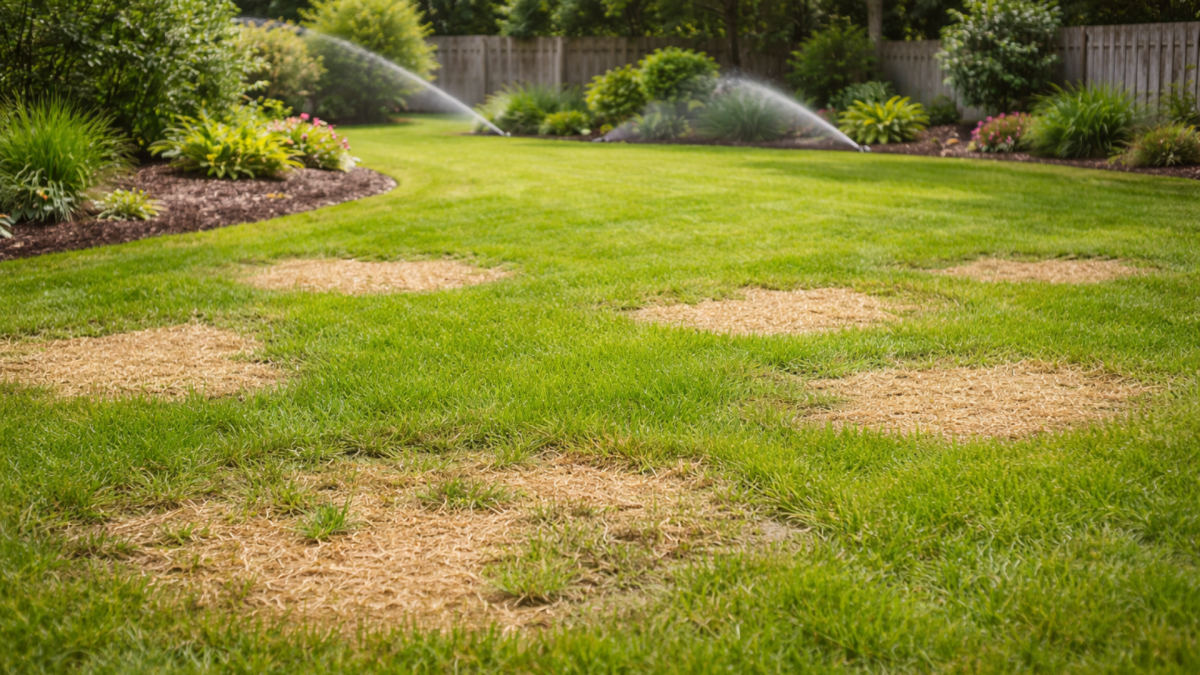
Irrigation repair and design services verify system functionality before consistent watering becomes necessary. Broken heads, leaks, and coverage gaps identified in spring prevent dead spots and water waste during peak demand months. Proper irrigation supports the root development and turf density that spring preparation work aims to achieve.
Practical Knowledge Applied to Local Conditions
Countryside Lawn Care approaches spring preparation through understanding of regional soil types, grass varieties, and climate patterns specific to the Florida Panhandle and southeast Alabama. Clay content common in local soils affects compaction susceptibility and drainage characteristics. Grass varieties planted across service areas wake from dormancy at different times based on microclimate conditions and recent weather.
Equipment preparation receives attention equal to turf care. Sharpened mower blades cut cleanly rather than tearing grass, reducing stress and disease susceptibility. Clean equipment prevents transferring problems between properties. Proper mowing height settings for first cuts prevent scalping that damages crowns and creates weed opportunities.
Soil temperature monitoring informs fertilization timing rather than calendar dates. The difference between soil reaching consistent 60-degree temperatures in mid-March versus late March significantly affects whether early feeding supports or stresses grass. This attention to specific conditions rather than generic schedules reflects experience with local variables.
Planning Around Regional Growing Patterns
Property owners in Graceville, Marianna, and surrounding areas benefit from understanding how spring preparation fits into annual maintenance cycles. Spring cleanup services address accumulated debris while positioning lawns for the intense growing season ahead. Tasks completed during transition weeks reduce problems that would otherwise require intervention during peak growth.
Bare spot treatment through overseeding or sod placement achieves better results in spring than waiting until summer heat stresses new grass. Addressing thin areas now means established turf enters summer with density that resists weed pressure and heat stress. Similarly, identifying and correcting drainage issues before spring rains intensify prevents erosion and standing water problems.
Equipment limitations often determine whether homeowners tackle spring preparation independently or seek professional assistance. Core aeration requires specialized machinery that penetrates compacted soil effectively. Large properties may need debris removal capacity beyond what typical homeowners possess.
Serving Property Owners Across Multiple Communities
Countryside Lawn Care maintains focus on practical solutions that address real conditions property owners face rather than theoretical approaches that sound comprehensive but lack regional applicability. Communication emphasizes clear explanations of what specific tasks accomplish and why timing matters for achieving desired results.
The company operates as a reliable lawn maintenance provider throughout the region, working with properties that range from residential yards to larger spaces requiring specialized equipment and experienced crews. Service relationships often begin with seasonal work like spring preparation and expand as property owners recognize value in consistent professional maintenance.
Transparency about what services can realistically accomplish and honest assessment of property conditions build the trust necessary for long-term maintenance relationships. When problems require solutions beyond routine care, straightforward explanations help property owners make informed decisions about appropriate next steps.
Understanding Spring Lawn Preparation Options
Countryside Lawn Care provides spring lawn preparation guidance and services to Florida Panhandle and southeast Alabama property owners seeking to position their turf for healthy seasonal growth. The transition from dormancy to active growth requires attention to debris removal, equipment preparation, mowing timing, soil conditions, irrigation functionality, and bare spot treatment.
Property owners interested in learning more about spring preparation tasks or discussing specific property conditions can reach Countryside Lawn Care at 850-813-4482. Additional information about services and service areas appears at mycountrysidelawn.com. Spring preparation work completed during the narrow window before active growth begins establishes the foundation for turf health throughout the demanding growing season ahead.

Contact Information:
Countryside Lawn Care
1207 HIGHWAY 2
Graceville, FL 32440
United States
Contact Countryside Lawn Care
(850) 813-4482
https://mycountrysidelawn.com/

Original Source: https://mycountrysidelawn.com/media-room/